



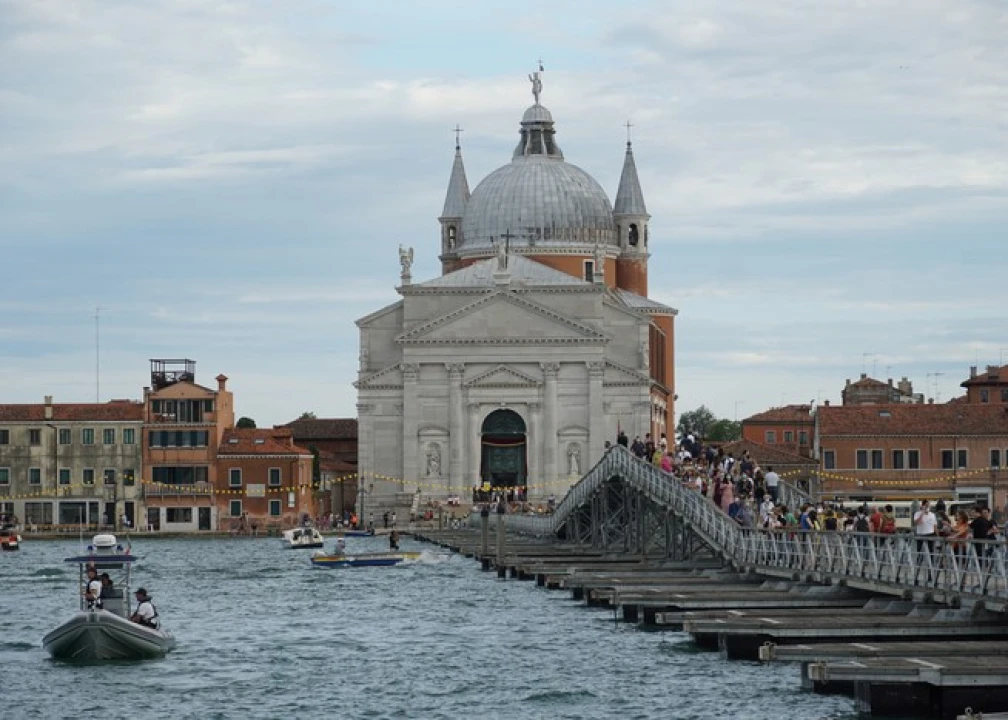
Cultural heritage is increasingly a strategic resource for the European economy, with great potential in terms of development and employment, with Italy dominating the sector, especially with regards to tourism, according to new research. The 'Heritage' study of the ESPON programme, which specializes in EU regional policy analysis, evaluated the economic impact of cultural heritage in 11 EU States and regions (Italy, Austria, the Netherlands, Norway, Portugal, Romania, Slovakia, Slovenia, Sweden, Flanders and the Brussels region).
According to the study's report, activities linked to this sphere, which is only part of the cultural sector as a whole, accounted for 2.1% of employment in the countries studied, generating revenues of almost 84 billion euros in 2016. The role of tourism is fundamental and Italy stands out as it is first in terms of revenues (20 billion euros in 2017), workers employed (over 80,000 in 2017) and expenditure by travelers (38.96 billion euros in 2017).
