



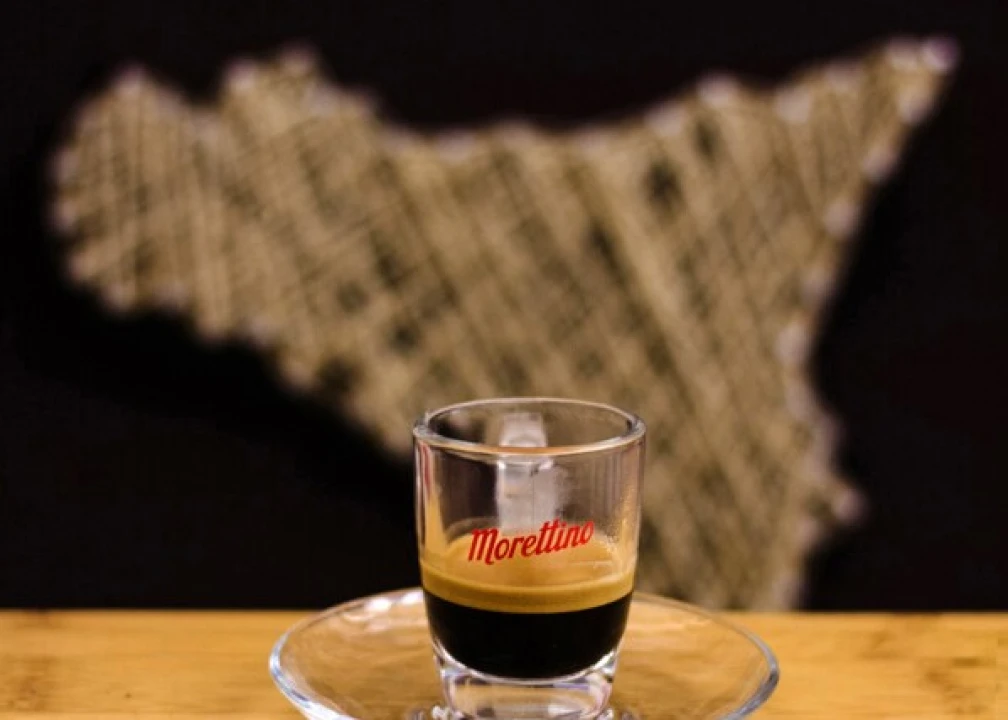
Sicily, land of vineyards, olive trees, citrus fruits but also of coffee. This is the dream of the Morettino family, which for about 30 years has been carrying out an experimental project that has seen the birth and growth of coffee plants on the island, also thanks to a significant climate change we are witnessing. A strong signal received from nature which gave life, in the experimental plantation, to a native Sicilian coffee.
In the geography of the origins of coffee, Morettino's plantation is one of the most northern plantations compared to the typical tropical lands and it was born from an act of love by Arturo Morettino, during one of his journeys in the "Lands of Coffee", in which he was fascinated by some plantations and thus matured the dream of creating a coffee cultivation right in Sicily.
The first experiment in the garden of the historical family roasting company has about 60 plants of Coffea Arabica, varieties Bourbon and Catuai, born from seeds donated in the 1990s by the Botanical Garden of Palermo and planted at about 350 meters above sea level in the village of San Lorenzo ai Colli, in Palermo.
From these seeds have grown over the years coffee plants in the open air, en plein air, which have been able to courageously adapt to the Sicilian climate at much higher latitudes than those of the "Coffee Belt", the area between the two Tropics where coffee is cultivated between Latin America, East Africa and South-East Asia. Over the years, these plants have produced drupes that have been harvested, stripped, processed and roasted with genuine passion, in order to carry out cupping sessions, or reseeded to give life to new plants born and grown in Sicily.
This year, in the very year of Morettino's centenary, nature has given us an extraordinary harvest and a truly surprising in-cup result: a very high quality native Sicilian coffee, with special and unique scents, typical of the Sicilian land, such as notes of zibibbo grapes and carob and sweet hints of white pomelia flowers and panela sugar.
"We were surprised by the abundant harvest of our plants, which we interpreted as a gift for all the love our family gave them during these years" comments Arturo Morettino, who closely followed the evolution of plants and drupes during the years.
The manual harvest took place between July and September, followed by the processing of coffee using the Gold Honey method, manual stripping, 48-hour fermentation and drying in the sun. Then the choice of a medium-light roasting and many tasting sessions, which gave an extraordinary result: a coffee of great finesse, with balanced acidity and a natural sweetness.
"The sensory characteristics of this coffee native to Sicily are a unique result that fills us with pride - explains Andrea Morettino, fourth generation of the roasting family from Palermo - nature has given us a strong signal that deserves to be heard and valued. We are witnessing strong climatic changes that should make us reflect on the present and the future of our land, which has shown signs of intolerance and risks for traditional crops such as citrus fruits, but also unexpected potentials as demonstrated by the success of tropical fruit cultivations in Sicily such as mango, papaya, avocado, kiwi and Sicilian lychee".
Morettino wants to follow up the ambitious experimental project on the coffee plant and its cultivation in Sicily, with further experiments in progress in some corners of the island selected according to the pedoclimatic conditions and the terroir. An open project that will involve the University of Palermo and the Botanical Garden, as well as specialists in processing processes such as Adriano Cafiso, who deals directly with the small farmers of the plantations in the main countries of origin of coffee, and that wants to involve all growers or scholars who want to offer their valuable contribution.
