



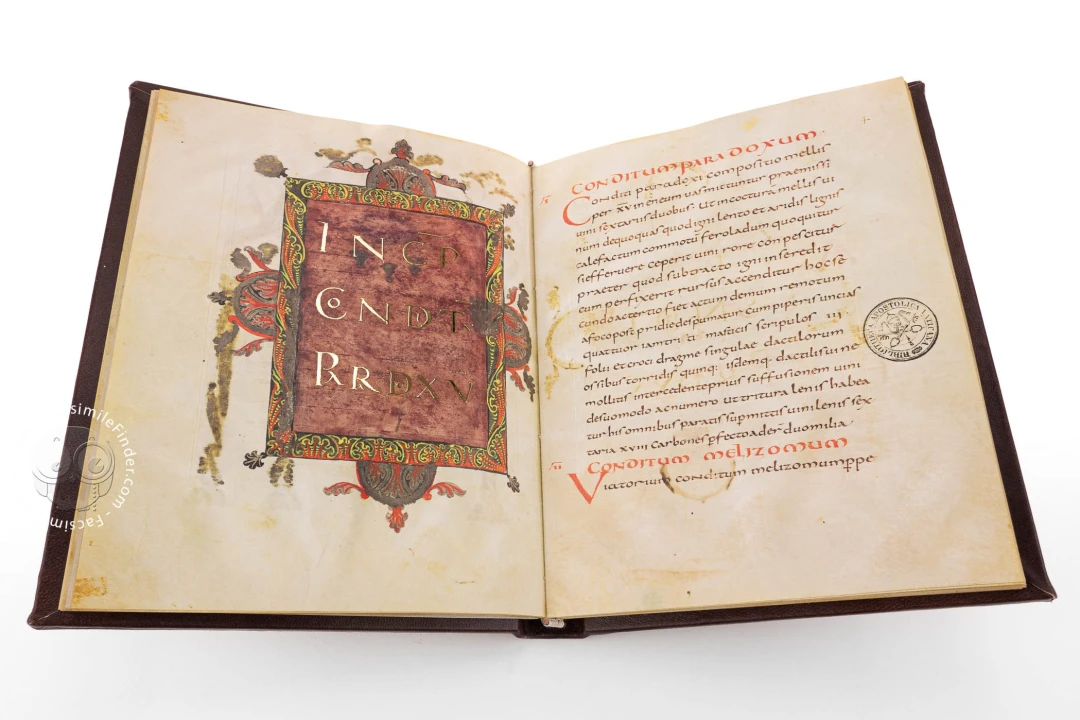
Western scholarship has had “a bias against studying sensual experience,” writes Reina Gattuso at Atlas Obscura, “the relic of an Enlightenment-era hierarchy that considered taste, touch, and flavor taboo topics for sober academic inquiry.” This does not mean, however, that cooking has been ignored by historians.
Many a scholar has taken European cooking seriously, before recent food scholarship expanded the canon. For example, in a 1926 English translation of an ancient Roman cookbook, Joseph Dommers Vehling makes a strong case for the centrality of food scholarship.
